Preventive Maintenance Software: The Complete Guide
Unexpected equipment failures are among the most expensive challenges faced by industrial facilities. A single breakdown can stop production, delay customer deliveries, increase repair costs, and create safety risks.
Traditional maintenance approaches often rely on technicians responding only after a machine fails. This reactive method leads to unplanned downtime, emergency repairs, and shortened equipment life.
Preventive Maintenance Software changes this approach. It helps organizations plan maintenance activities before failures occur, ensuring equipment receives the right service at the right time.
Whether you operate a power plant, manufacturing facility, textile mill, food processing plant, or pharmaceutical factory, preventive maintenance software provides the digital tools needed to improve equipment reliability while reducing maintenance costs.
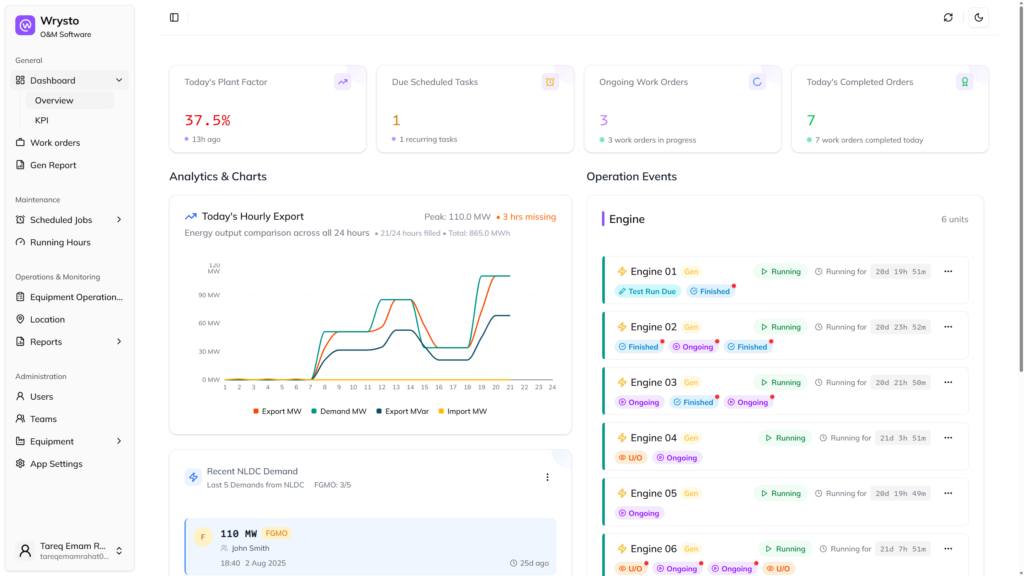
What is Preventive Maintenance Software?
Preventive Maintenance Software is a digital solution that automates the planning, scheduling, execution, and tracking of recurring maintenance tasks.
Instead of relying on paper checklists, spreadsheets, or technician memory, the software ensures maintenance is performed according to predefined schedules.
Typical maintenance triggers include:
- Calendar dates
- Operating hours
- Machine runtime
- Production cycles
- Meter readings
- Equipment usage
The software automatically generates maintenance work orders when service is due, helping maintenance teams stay ahead of equipment failures.
Why Preventive Maintenance Matters
Every industrial asset deteriorates over time. Bearings wear out, lubricants lose effectiveness, filters become clogged, electrical connections loosen, and rotating equipment experiences vibration.
Without routine maintenance, these minor issues develop into major failures.
Preventive maintenance helps organizations:
- Detect problems early
- Improve equipment reliability
- Reduce emergency repairs
- Extend asset lifespan
- Improve workplace safety
- Lower operating costs
- Increase production availability
Rather than reacting to failures, maintenance teams work according to a structured maintenance plan.
Common Problems Without Preventive Maintenance Software
Organizations relying on manual maintenance management often experience:
- Missed maintenance schedules
- Lost maintenance records
- Inconsistent inspections
- Equipment failures
- High overtime costs
- Unplanned shutdowns
- Poor technician coordination
- Lack of maintenance history
- Difficulty measuring maintenance performance
As facilities grow, these challenges become increasingly difficult to manage without digital tools.
How Preventive Maintenance Software Works
The software follows a structured workflow.
Step 1: Register Equipment
Each asset is entered into the system with information such as:
- Equipment ID
- Asset name
- Manufacturer
- Model
- Serial number
- Location
- Installation date
- Department
- Criticality level
This creates a centralized asset database.
Step 2: Define Maintenance Plans
Maintenance engineers establish service intervals for each asset.
Examples include:
- Change oil every 500 operating hours
- Inspect motor bearings every month
- Replace air filters every three months
- Perform annual electrical testing
- Lubricate conveyor rollers every two weeks
The software stores these schedules and automates recurring maintenance.
Step 3: Generate Work Orders
When maintenance becomes due, the system automatically creates work orders.
Each work order may include:
- Job description
- Priority
- Due date
- Assigned technician
- Safety instructions
- Required spare parts
- Inspection checklist
- Estimated labor hours
This eliminates manual scheduling.
Step 4: Execute Maintenance
Technicians complete assigned work while recording:
- Inspection results
- Measurements
- Faults identified
- Parts replaced
- Labor hours
- Completion notes
- Equipment condition
The software captures all maintenance activities in real time.
Step 5: Analyze Performance
Managers review maintenance data through dashboards and reports.
Typical metrics include:
- Preventive maintenance compliance
- Equipment downtime
- Maintenance costs
- Technician productivity
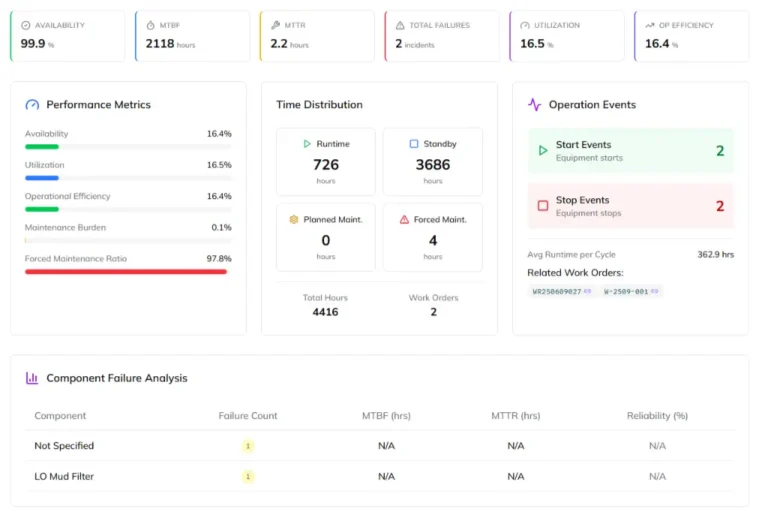
- Mean Time Between Failure (MTBF)
- Mean Time To Repair (MTTR)
- Asset availability
These insights support continuous improvement.
Key Features of Preventive Maintenance Software
Automated Maintenance Scheduling
The software automatically schedules recurring maintenance tasks based on predefined rules, reducing the risk of missed inspections.
Asset Management
Maintain a complete history of every equipment asset, including specifications, maintenance records, warranty information, and operating history.
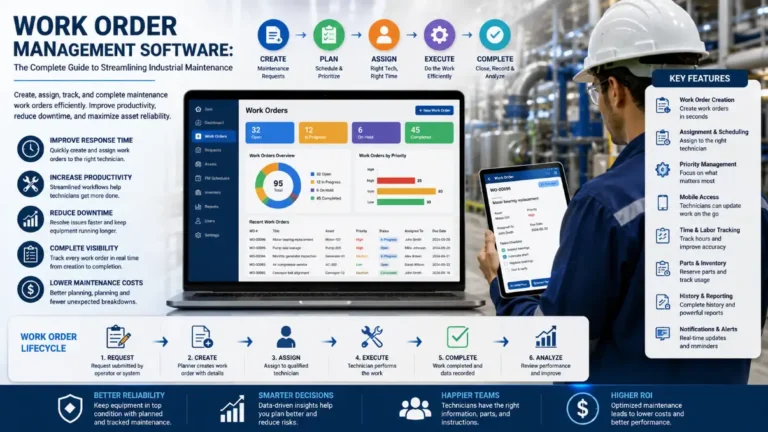
Work Order Management
Generate, assign, prioritize, and monitor maintenance work orders from creation to completion.
Managers always know which jobs are pending, in progress, or completed.
Digital Inspection Checklists
Standardized inspection procedures improve maintenance quality while ensuring technicians follow approved maintenance practices.
Spare Parts Management
Track inventory levels, monitor spare part consumption, and reduce delays caused by unavailable components.
Maintenance History
Every repair, inspection, replacement, and service activity is permanently recorded.
Historical maintenance data supports better reliability decisions.
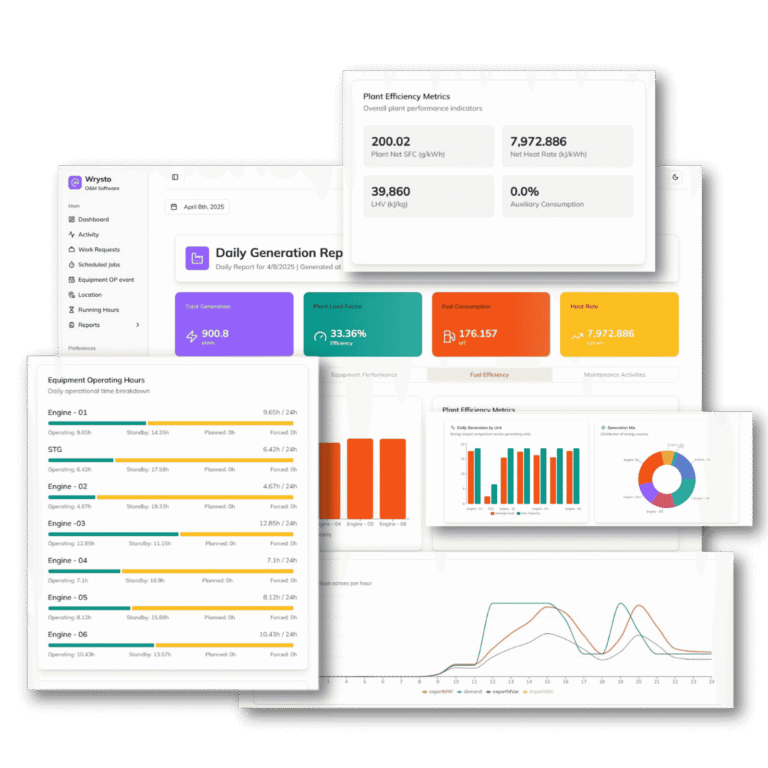
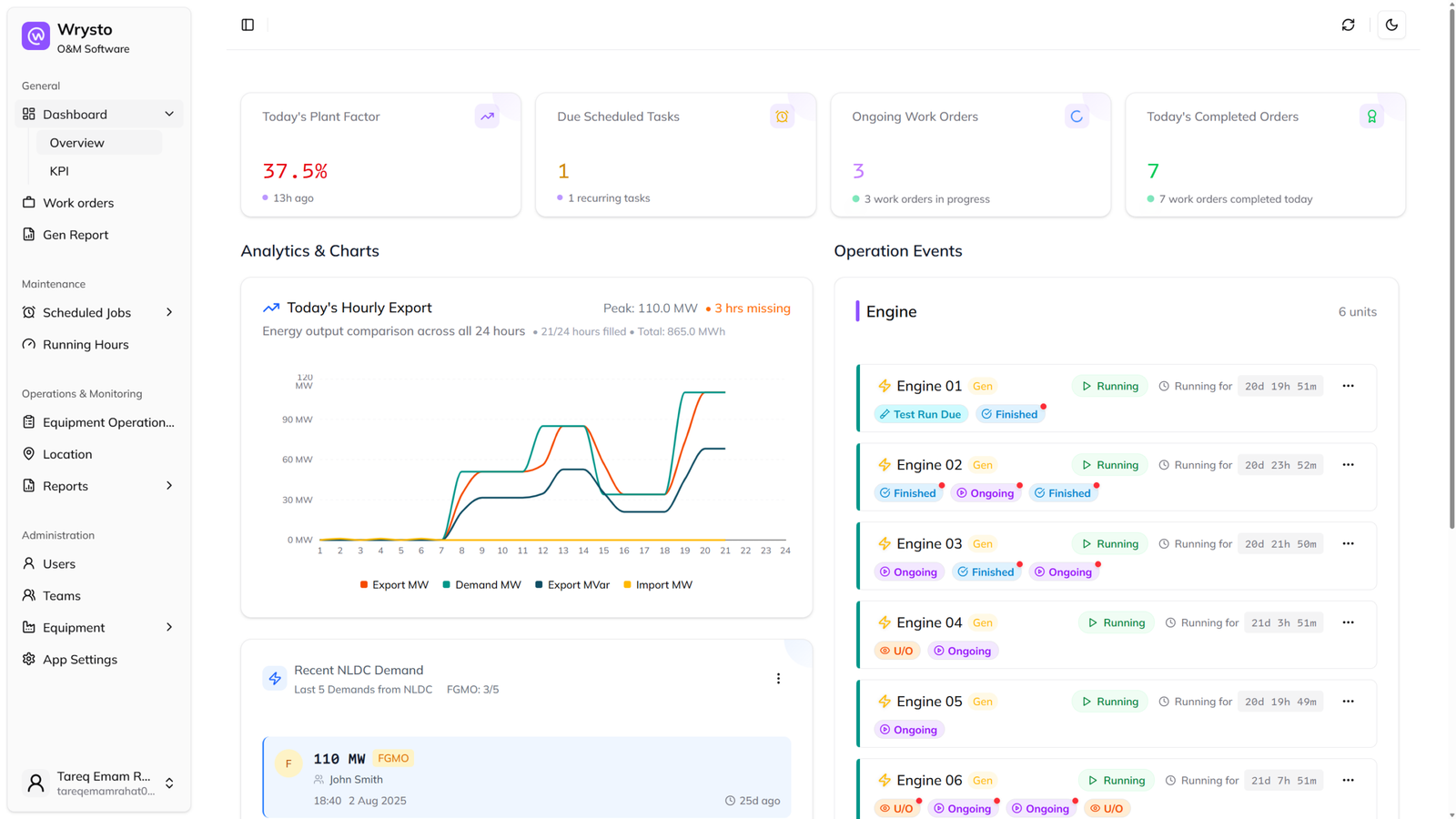
Maintenance Dashboards
Real-time dashboards help managers monitor maintenance performance without manually preparing reports.
Benefits of Preventive Maintenance Software
Reduced Equipment Downtime
Routine inspections identify developing issues before they become major failures.
This minimizes production interruptions.
Longer Equipment Life
Consistent maintenance slows equipment wear, delaying costly replacements.
Lower Maintenance Costs
Planned maintenance is generally less expensive than emergency repairs because it reduces overtime, secondary damage, and production losses.
Increased Equipment Reliability
Regular servicing improves machine performance and reduces unexpected breakdowns.
Improved Safety
Routine inspections help identify unsafe operating conditions before they result in accidents.
Better Maintenance Planning
Maintenance activities become predictable, making it easier to allocate technicians, spare parts, and budgets.
Improved Regulatory Compliance
Digital maintenance records simplify audits and demonstrate that maintenance activities were completed as required.
Industries That Use Preventive Maintenance Software
Preventive maintenance software is valuable for any organization managing physical assets, including:
- Power Plants
- Manufacturing Industries
- Textile Mills
- Cement Plants
- Steel Plants
- Food Processing Facilities
- Pharmaceutical Manufacturing
- Chemical Plants
- Water Treatment Facilities
- Oil & Gas Operations
- Renewable Energy Plants
- Warehouses
- Commercial Buildings
- Hospitals
- Utility Companies
Preventive vs Reactive Maintenance
| Preventive Maintenance | Reactive Maintenance |
|---|---|
| Planned activities | Repairs after failure |
| Lower downtime | Higher downtime |
| Predictable costs | Emergency expenses |
| Longer asset life | Faster equipment wear |
| Improved safety | Higher operational risk |
| Better production planning | Unexpected disruptions |
Organizations that rely heavily on reactive maintenance often experience higher overall maintenance costs and reduced equipment availability.
Signs Your Facility Needs Preventive Maintenance Software
Your organization may benefit from preventive maintenance software if you frequently experience:
- Unexpected equipment failures
- Missed maintenance schedules
- Paper-based maintenance records
- Difficulty locating maintenance history
- High maintenance costs
- Frequent production interruptions
- Poor visibility into technician workload
- Limited reporting capabilities
These issues typically indicate that maintenance processes need greater structure and automation.
Choosing the Right Preventive Maintenance Software
When evaluating software, consider the following capabilities:
Easy-to-Use Interface
Maintenance personnel should be able to use the system with minimal training.
Cloud-Based Access
Cloud deployment enables secure access from any location while simplifying software updates and backups.
Flexible Scheduling
The software should support calendar-based, runtime-based, and meter-based maintenance intervals.
Work Order Automation
Automatic work order generation reduces manual administrative tasks.
Asset History
Complete maintenance records improve troubleshooting and support long-term asset management.
Reporting and Analytics
Built-in dashboards should provide visibility into maintenance performance and asset reliability.
Scalability
The system should support multiple plants, departments, and thousands of equipment assets without performance limitations.
How Wrysto Supports Preventive Maintenance
Wrysto provides a cloud-based maintenance platform designed for industrial operations.
Its preventive maintenance capabilities include:
- Automated preventive maintenance scheduling
- Digital asset management
- Work order management
- Equipment maintenance history
- Spare parts tracking
- Inspection checklists
- Maintenance dashboards
- KPI monitoring
- Multi-site maintenance management
- Mobile accessibility
- Technician assignment
- Real-time reporting
Wrysto enables maintenance teams to replace manual processes with standardized digital workflows that improve maintenance efficiency and equipment reliability.
Frequently Asked Questions
What is preventive maintenance software?
Preventive maintenance software automates recurring maintenance schedules, work orders, inspections, and maintenance reporting to reduce equipment failures.
Can preventive maintenance eliminate all breakdowns?
No. Unexpected failures can still occur, but preventive maintenance significantly reduces their frequency and severity.
What industries benefit most?
Power generation, manufacturing, textiles, pharmaceuticals, food processing, utilities, and any organization operating critical equipment.
Does preventive maintenance software replace a CMMS?
Preventive maintenance software is typically a core component of a Computerized Maintenance Management System (CMMS), which also includes asset management, work order management, inventory control, and reporting.
Is cloud-based preventive maintenance software secure?
Reputable cloud platforms use encryption, access controls, backups, and other security measures to protect maintenance data while providing reliable remote access.
Conclusion
Preventive maintenance is one of the most effective strategies for improving equipment reliability, reducing operational risk, and controlling maintenance costs. Moving from reactive repairs to scheduled maintenance allows organizations to prevent failures before they disrupt production.
Preventive Maintenance Software provides the structure needed to manage this process at scale. By automating maintenance schedules, generating work orders, tracking asset history, and measuring maintenance performance, organizations gain better visibility and greater control over their maintenance operations.
For industries seeking to modernize maintenance management, improve asset performance, and reduce unplanned downtime, a cloud-based platform such as Wrysto offers the digital foundation required to build a proactive maintenance program and support long-term operational excellence.